


On Wednesday afternoon, Coppell High School administrators published a “gentle reminder” about dress code expectations. As I perused that Parent Square post, one particular paragraph almost made me spit Dr Pepper all over my phone:
“We understand that Texas weather is hot and want our learners to be comfortable. At the same time, our expectation is that clothing provides appropriate coverage of the body, including the chest and the backside, while students are on campus.”
(That phrase was bolded for emphasis in the original message. Wow.)
Speaking of teenagers and questionable decisions, a young lady armed with a water pistol was hanging out in my driveway before dawn on Wednesday. She squirted the Coppell High School student who sleeps in my house as part of an annual event called “Senior Assassin,” which I wrote about in Vol. 6, No. 6.
Council Debates Arts Center’s Finances Again
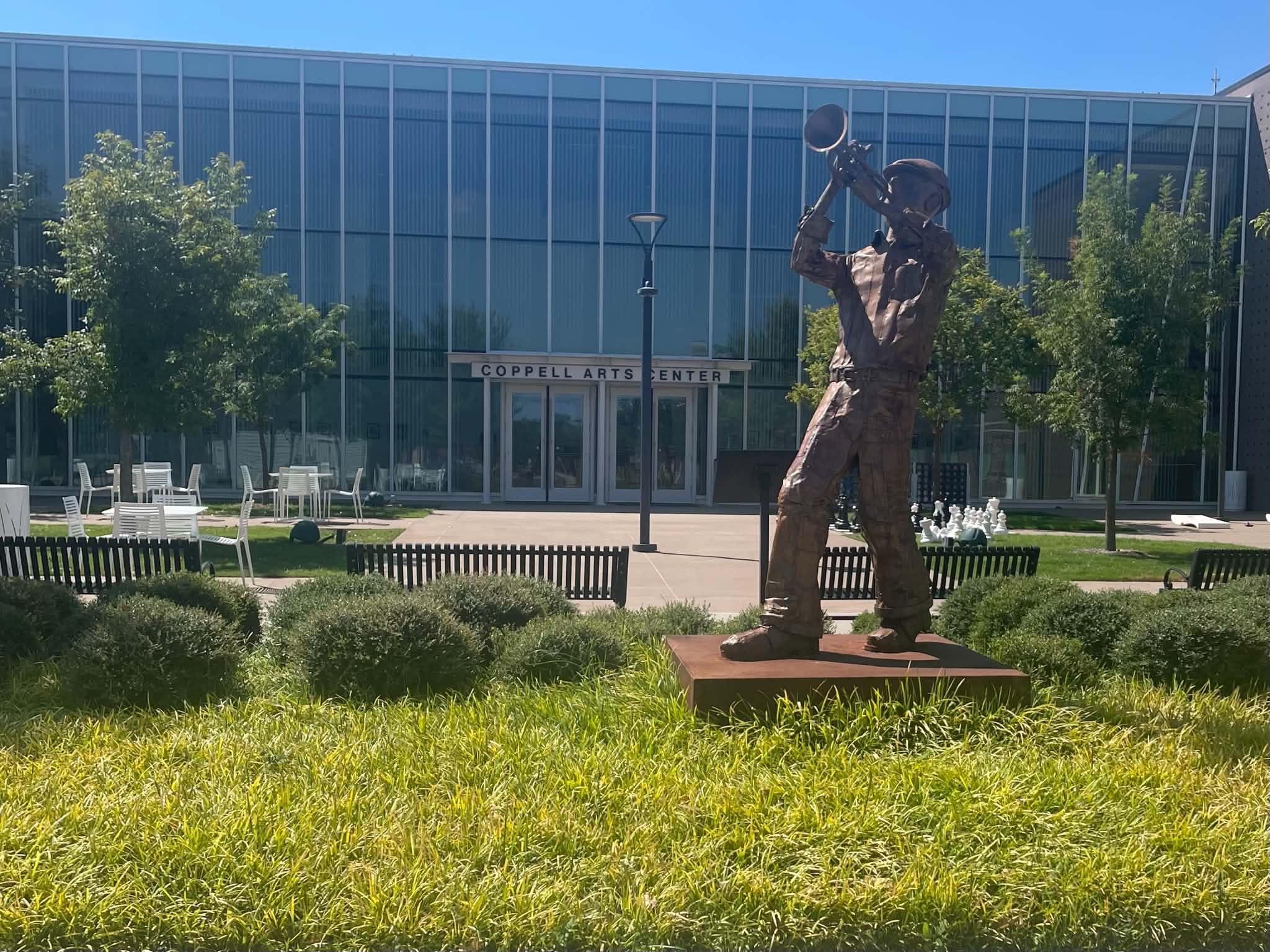
The latest Coppell City Council meeting gave your correspondent a sense of déjà vu. It involved yet another discussion of how much the Coppell Arts Center should be expected to pay for itself.
The council’s Aug. 25 work session included a briefing from Assistant Director of Community Experiences Sheri Belmont. In response to a question from Mayor Pro Tem Jim Walker, Belmont said the Arts Center is the only city facility not funded by property taxes. Its budget is covered by hotel occupancy taxes (aka HOT funds) and sales taxes.
Once Belmont had finished her presentation, here’s how Walker kicked off the council’s deliberations: “Why are we discussing a cost-recovery percentage for a facility funded entirely by sales tax and HOT funds that are paid almost entirely by people that don’t live here? Why are we not discussing cost-recovery percentages for all the facilities that are funded by property taxes?”
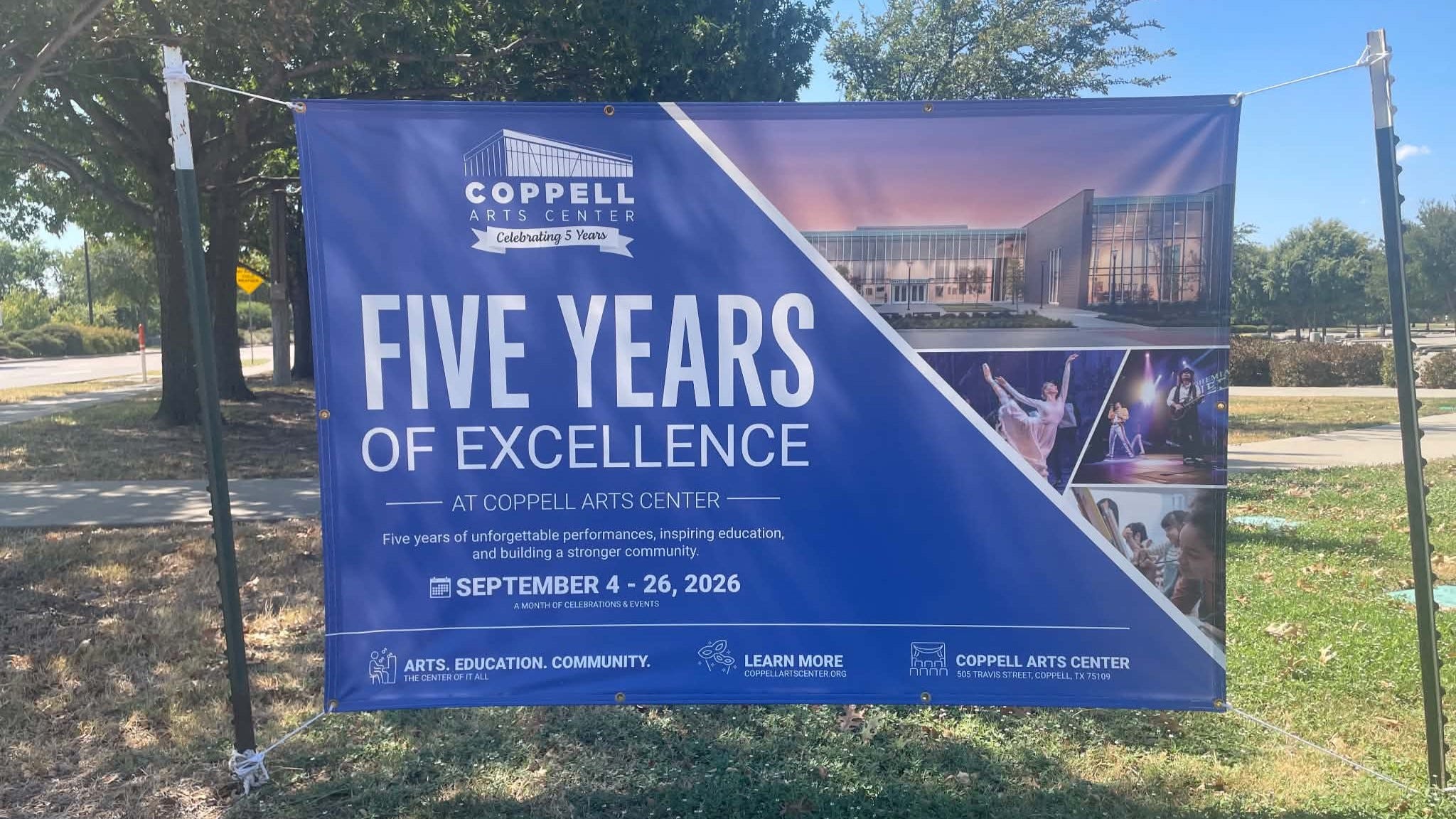
Those questions may sound familiar to longtime readers of this newsletter. They sure sounded familiar to the guy who writes this newsletter. I’ve been publishing articles about the Coppell Arts Center since it opened five years ago, and similar statements have been documented in several editions, including these:
Vol. 2, No. 40 — Council Member Don Carroll said other city departments are not expected to be self-sustaining. “I always have to remind myself: This is a quality-of-life amenity that we have here.”
Vol. 3, No. 30 — City Manager Mike Land: “We don’t have this conversation about the library. We don’t have this conversation about The CORE. We only continue to have this conversation about the Arts Center.”
Vol. 6, No. 5 — After pointing out that nobody worries about revenues produced by The CORE or the Cozby Library, Walker asked this: “What’s the concept behind holding the Arts Center accountable for a certain percentage of earned revenue with respect to its operations, when we don’t do that with any other amenity that we have in the city?”
Walker asked that conceptual question last February, when the council declined to provide direction regarding the Arts Center’s finances because their full roster wasn’t present. On Aug. 25, Belmont was asking whether they wanted to define a formal cost-recovery goal for the facility.
A 2023 study conducted by the DeVos Institute of Arts and Nonprofit Management recommended that 45 percent of the center’s revenues should be earned through ticket sales and rentals, with the remaining 55 percent subsidized by taxes and donations. In fiscal 2025, the breakdown was 32 percent earned and 68 percent subsidized.
Belmont said third-party rentals of the Arts Center are “maxed out,” so the only way to increase revenues would be to start charging fees to the facility’s resident companies, such as the Coppell Community Chorale and Theatre Coppell. A majority of the council had no interest in that.
“If we’re looking to get from 32 percent to 40 percent — or whatever the number is — by charging the [resident companies], I don’t know if you can charge them enough to ever get there,” Carroll said. “So it’s sort of a futile exercise.”
Each summer, the council fulfills grant requests from the resident companies. Carroll and Council Member Kevin Nevels theorized that levying usage fees on those companies would just lead to corresponding increases in their grant requests, thereby echoing something Walker said in Vol. 3, No. 32. (It’s déjà vu all over again!) Nevels also referenced an “odd narrative” in the community about the Arts Center pressuring the budgets of city facilities funded by property taxes. “If we imposed additional fees, that would actually cause that to happen,” Nevels said.
In the end, Mayor Wes Mays asked the council for an informal thumbs-up vote about whether the Community Experiences Department should continue managing the Arts Center as it has been, with no major changes. Everyone raised a thumb except for Biju Mathew and Ramesh Premkumar.
Mathew framed a library and a recreation center as municipal essentials, but he said the Arts Center is “something we are blessed to have, an addition,” and he said he’s not aware of many other cities Coppell’s size that have such a facility.
“We need to have a way to recover maybe more than 32 percent,” Mathew said. “I don’t know the exact number, but that’s my opinion on this.”
Vote Set on Budget Reducing CORE’s Hours
The Texas Legislature makes cities and school districts jump through a lot of hoops when it comes to taxes. For example, the Texas Tax Code requires cities to publish a recorded vote on the maximum tax rate before voting to approve the tax rate.
The Coppell City Council took the first of those votes on Aug. 25, after Director of Strategic Financial Engagement Kim Tiehen told them this: “This item is not a vote on the tax rate or a vote to adopt the tax rate. It is only a vote to publicize the tax rate will not exceed [44.1166] cents.”